Canada's Trade Dependence on the U.S.: What the Data Tell Us
Despite efforts to diversify, Canada's trade dependence on the U.S. remains largely unchanged. Explore key findings and implications for businesses...
1 min read

Jordan Bateman : Published
Prime Minister Carney has promised to double Canada's non-US exports within a decade, backed by a $10-billion Trade Diversification Corridor Fund. A new Fraser Institute study, co-authored by ICBA Chief Economist Jock Finlayson and Senior Fellow Steven Globerman, explains why that's a steep climb.
The reason is the "gravity model" of trade — and it's exactly what it sounds like. Trade flows toward big economies that are close by. The US is the largest economy on earth, $23.8 trillion and 27% bigger than China, sitting right on our border. Seventy per cent of Canadians live within 100 km of it. Shipping from Vancouver to Los Angeles is 1,245 nautical miles; to Shanghai, it's 5,151.
The kicker: trade agreements have no measurable effect on energy and mining exports — 40% of what Canada sells abroad. Deals won't do it. Building will.
If Ottawa is serious about diversification, the money has to go into ports, rail, and pipelines — and into earning the world's trust as a reliable supplier.
Read the full study HERE.
Despite efforts to diversify, Canada's trade dependence on the U.S. remains largely unchanged. Explore key findings and implications for businesses...
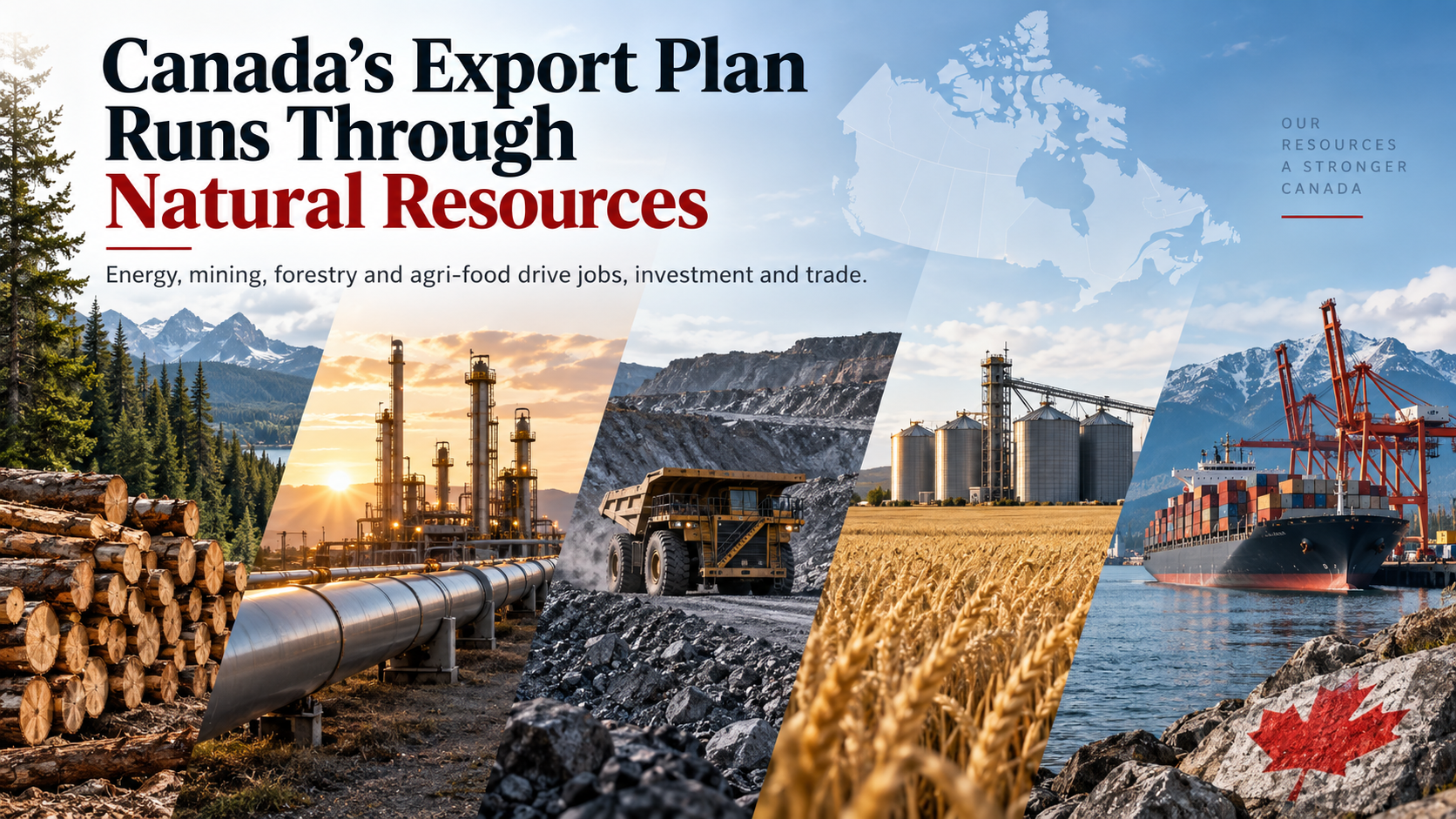
The Carney government's export plan relies on Canada’s natural resource sector, aiming to boost exports and investment amidst U.S. trade challenges.
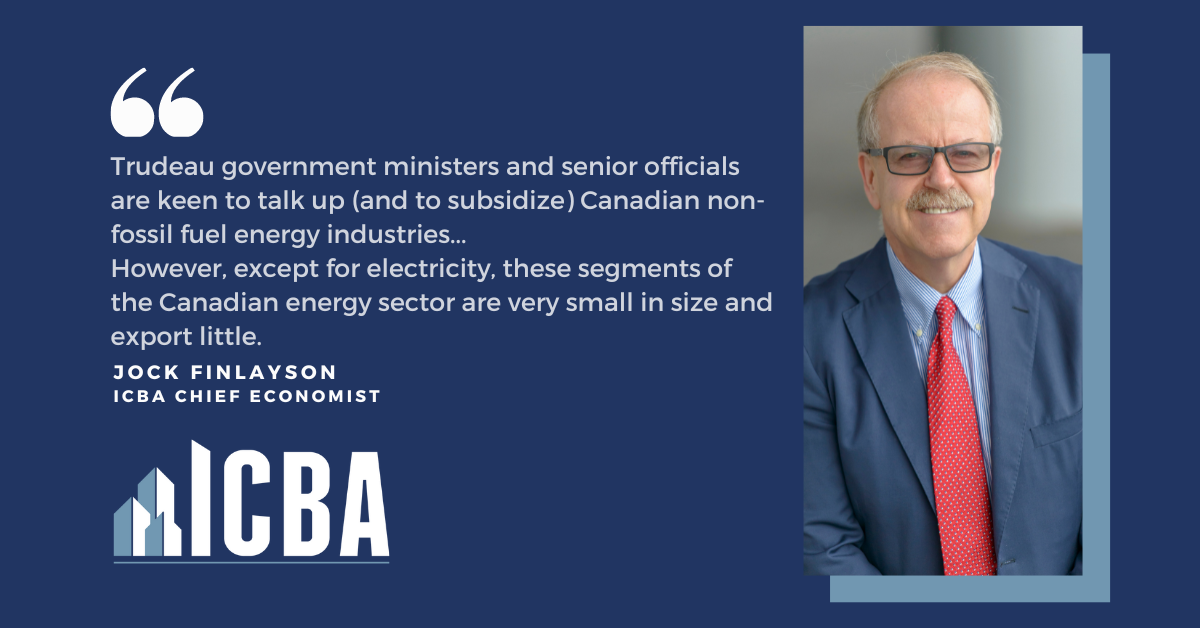
Energy remains the driving force behind Canada's exports, with oil and gas playing a crucial role in the nation's economy and trade surplus. Canada’s...