ICBA SUBMISSION: 8 Times is Enough (Canada Labour Code)
ICBA highlights the urgent need for action on the Canada Labour Code as repeated interventions disrupt projects and supply chains at West Coast ports.
1 min read

Alberta’s nation-leading economy is at risk long-term, as Alberta will need at least 22,000 new workers through net mobility to sustain its construction industry by 2033, according to the latest Construction Monitor analysis released today by the Independent Contractors and Businesses Association (ICBA) Alberta.
“Labour shortages are reaching a critical point and we need to rethink immigration and entry requirements,” said Mike Martens, President of ICBA Alberta. “It is not a person’s education but the alignment of their skills with domestic economic needs that determines their contribution. Nowhere is this clearer than in Alberta’s construction labour market.”
The report highlights that while Alberta continues to attract new residents, Canada’s overall immigration policies fail to prioritize the construction trades. Only 2% of all permanent immigrants pursue a career in construction, a glaring mismatch at a time when the industry is vital to addressing the housing and infrastructure crises.
“Canada is adding the equivalent of a city the size of Calgary annually, yet we are not attracting or equipping newcomers with the tools to succeed in sectors like construction where they are desperately needed,” added Martens. “The federal government must adopt smarter immigration policies that prioritize construction-relevant skills and provide faster pathways to integrate new workers into the industry.”

ICBA highlights the urgent need for action on the Canada Labour Code as repeated interventions disrupt projects and supply chains at West Coast ports.
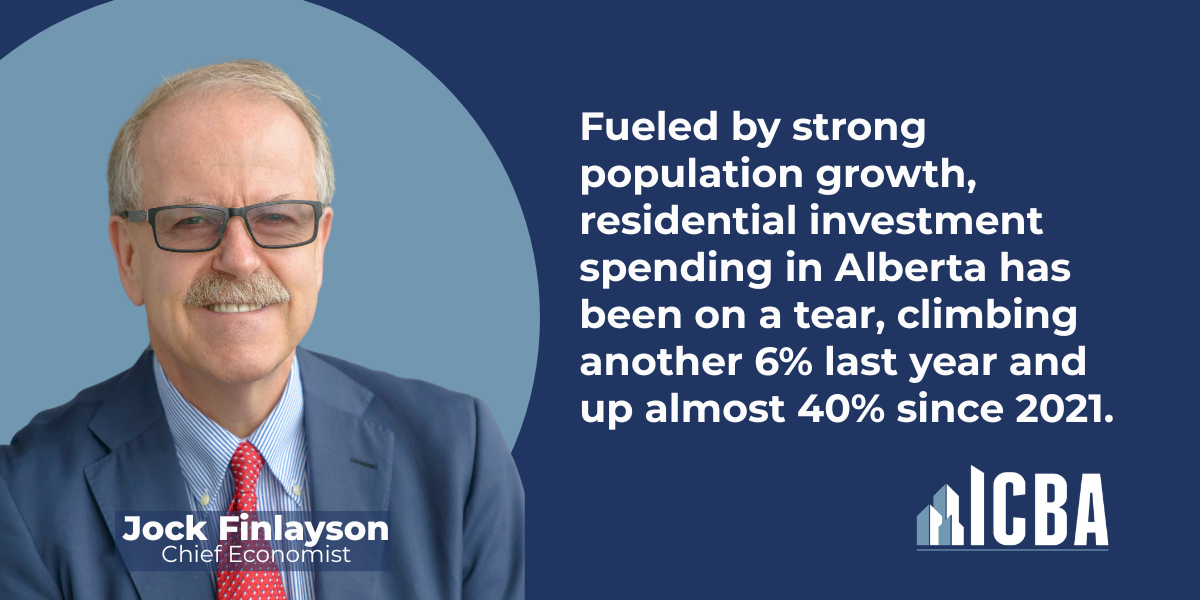
B.C. faces a housing slump while Alberta's market thrives. Explore the latest Statistics Canada data on residential investment and job impacts across...

ICBA Alberta’s first Construction Monitor highlights a growing open-shop sector driving jobs and GDP, with key data on wages, activity and industry...